
Emotions are down, data is holding strong: Can the Memecoin make a comeback?




Original Title: A review on the current state of the 'Trenches'
Original Author: Nico, Crypto KOL
Original Translation: Felix, PANews
Recently, many people on social media have claimed that Memecoin is "dead."
The trading volume of Memecoin is not as high as in the previous months, and undoubtedly, Trumpcoin ($TRUMP) has reached a local peak in Memecoin's visibility, trading volume, and liquidity attractiveness.
However, at that time, SOL was at a high of $290, BTC was above $100,000, and the bull market was in full swing. Subsequently, the BTC price dropped to $74,000-$88,000, and SOL hit a local low of $95. However, SOL has now surged above $140 (a 46% increase in just 15 days), and BTC has also risen to over $90,000. Let's reevaluate the current situation below.
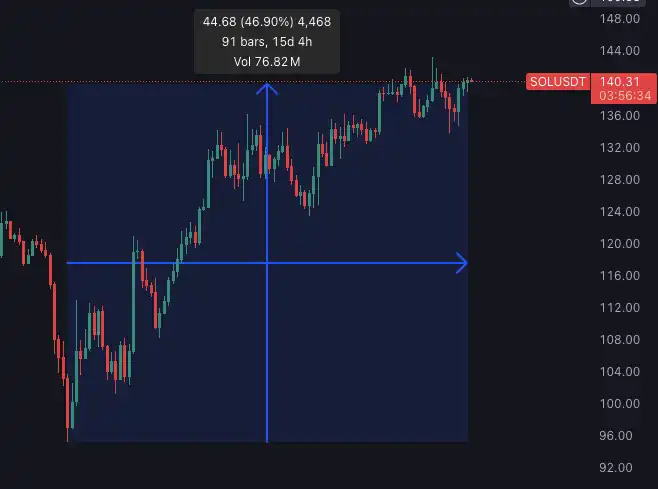
Despite the low SOL price, the market sentiment being bearish and pessimistic, the data presents a different picture. Here are the data up to April:
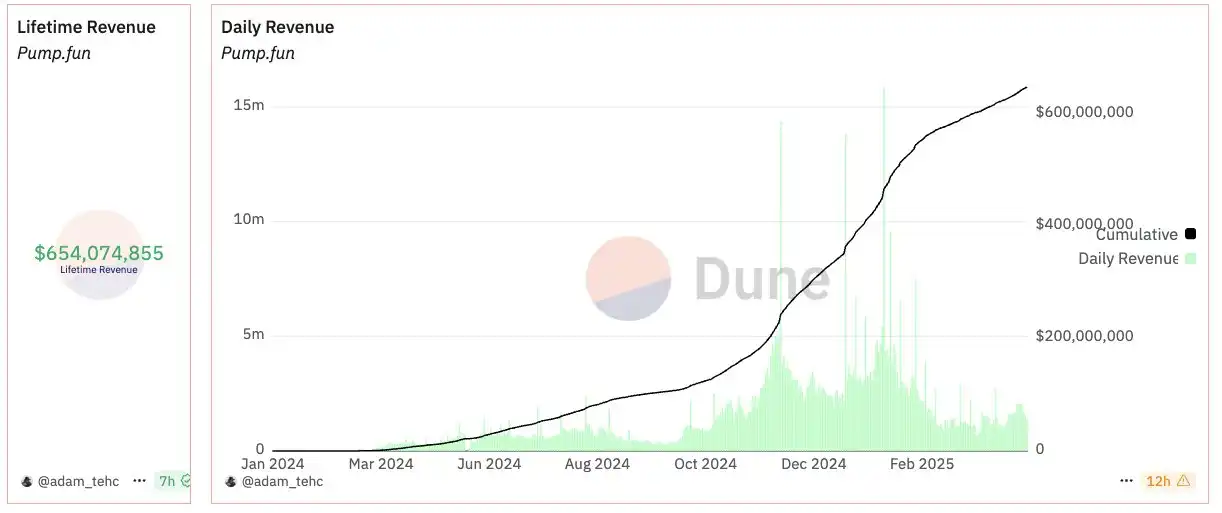
Pump.fun has generated approximately $6.5 billion in revenue so far. Daily revenue in April ranged from $1 million to $2.7 million, averaging in the higher range of $1.5 million to $2 million.
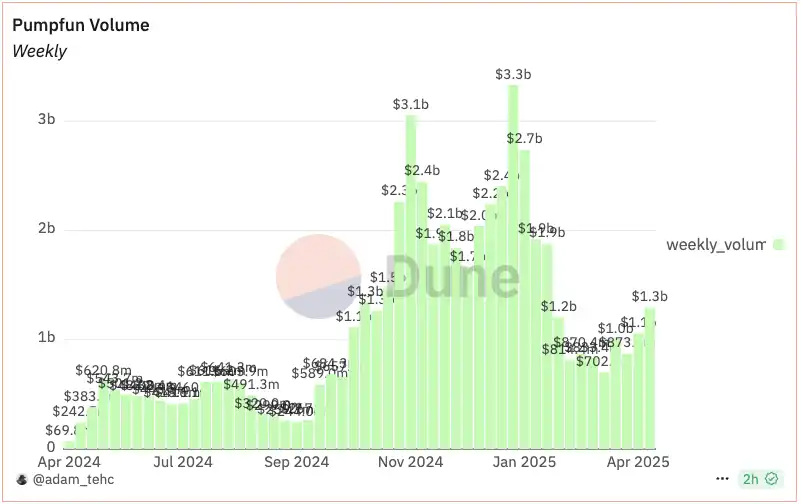
With the rise in SOL price and a significant increase in trading volume in April following the Trump event, as well as the launch of Pumpswap and almost instant migration, the trading experience has become smoother. This can be seen from the increase in total weekly trading volume.
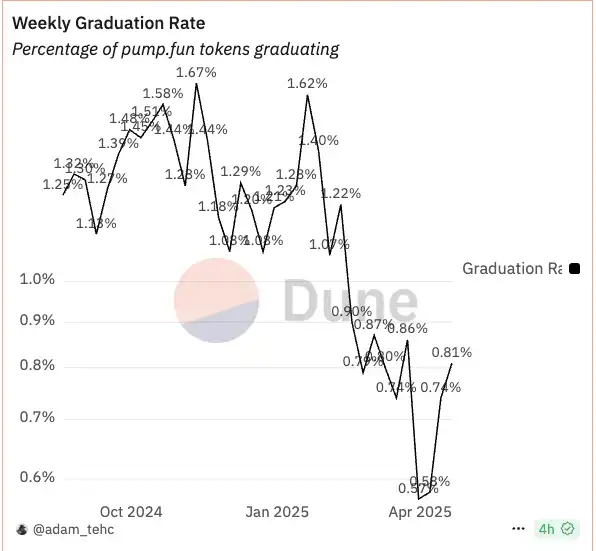
There have been 9.7 million tokens created so far, with 20,000 to 40,000 tokens launched daily in April and 100 to 350 tokens graduating each day (a graduation rate of 0.4% to 0.8%).
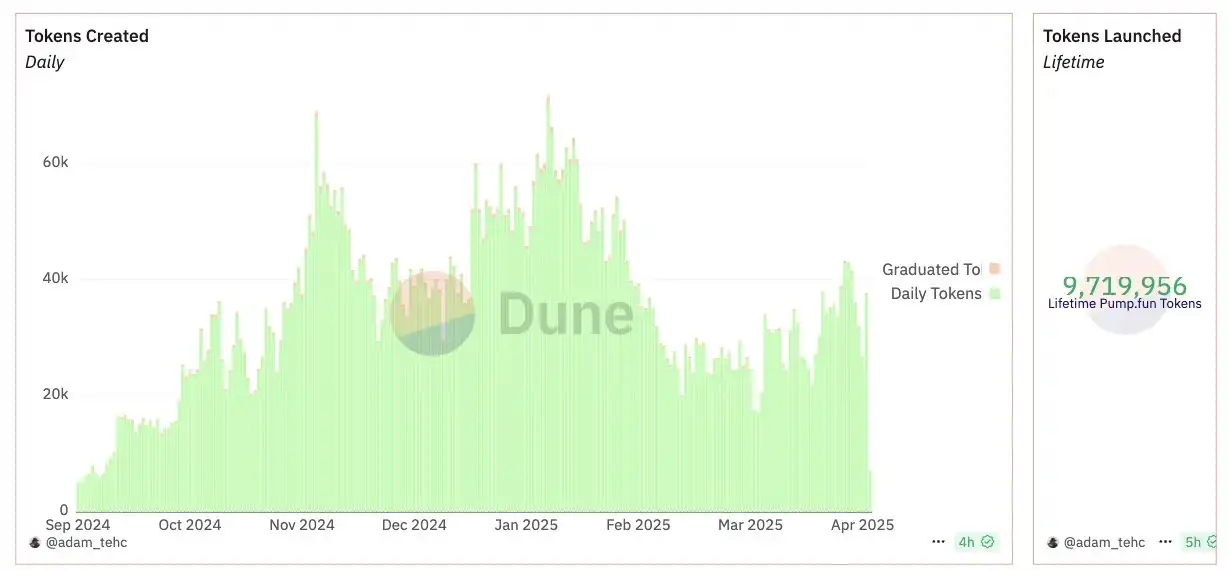
Over time, the graduation rate has decreased, correlating with a reduction in the number of users and trading volume. This indicates that in intense competition, there is a higher proportion of player versus player (PvP) behavior. Small groups hoard supply at the launch of a new project, engage in mutual dumping, and decide to exit early when they cannot attract the additional liquidity needed for the tied token.
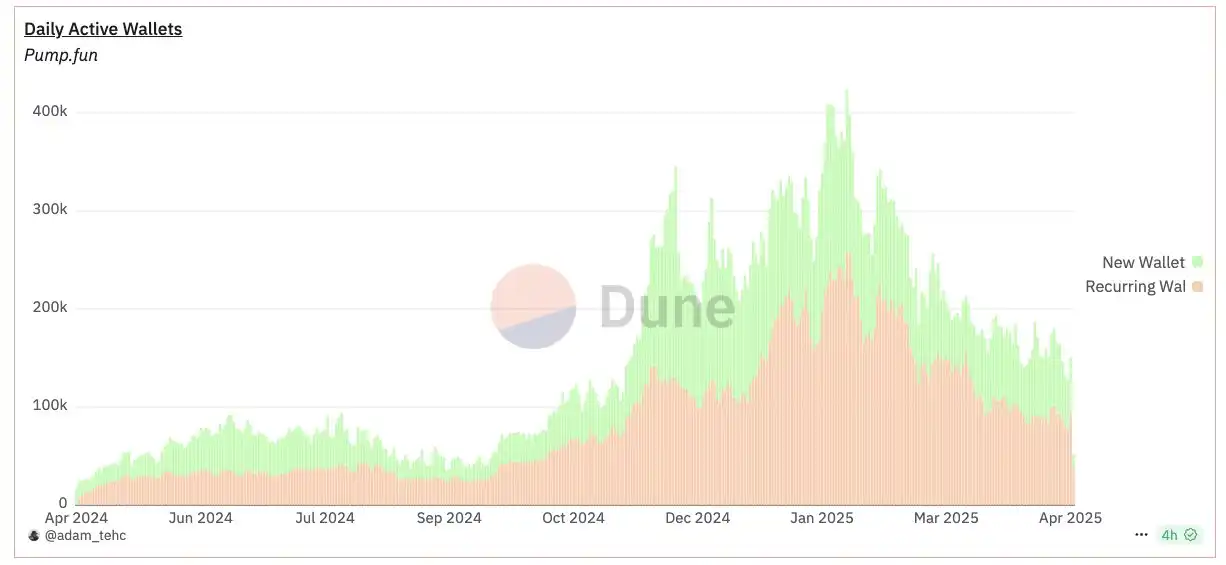
Active Users
During the peak period from December 2024 to February 2025, the daily average transaction users of Pump.fun Memecoins reached 200,000 to 400,000. It has since been on a downward trend and has remained below 200,000 for the past two months.
Currently, the number of daily active wallets is stable at around 150,000, with the quantity of existing/recurring wallets and new wallets roughly equal. It is worth noting that most miners will transact across multiple wallets and will change active wallets at least occasionally.
Trading Bot Data
As is well known, the majority of Memecoin trading activity occurs on the top five-ranked platforms, such as Axiom, BullX, Photon, GMGN, Trojan. Specific details are as follows:
Platform | Daily Active Users (DAU) | Daily Trading Volume | Daily Transaction Count
· Axiom: DAU 17,000-30,000 | Daily Trading $20-33 million | Daily Transactions 700,000-1.5 million
· BullX: DAU 20,000-30,000 | Daily Trading $20-33 million | Daily Transactions 200,000-400,000
· Photon: DAU 18,000-27,000 | Daily Trading $30-50 million | Daily Transactions 250,000-350,000
· GMGN: DAU 10,000-18,000 | Daily Trading $8-20 million | Daily Transactions 180,000-290,000
· Trojan: DAU 14,000-25,000 | Daily Trading $7-30 million | Daily Transactions around 200,000
This is broadly consistent with what has been observed, adding approximately 100,000+ users and over $100 million in daily trading volume.
Lifetime Fees and Asset Under Management (SOL on the platform)
· BullX: $186 million | AUM: 215,000 SOL approximately $30 million
· Axiom: $39 million | AUM: Unknown, but estimated to be similar to BullX, possibly slightly lower
· Photon: $382 million | AUM: 539,000 SOL approximately $82.6 million
· GMGN: $66 million fee | AUM: Unknown, but estimated to be at least half of Bullx's.
The circulating supply of the Memecoin sector on various platforms and others may have a circulating SOL value of over $200 million.
PumpSwap
The daily trading volume of Pumpswap ranges from $3 billion to $4.8 billion, accounting for 9% to 19% of the decentralized exchange volume on Solana. As all new Pump.fun tokens are issued and traded on Pumpswap, a significant amount of trading still occurs on early issued tokens traded through Raydium/Meteora.
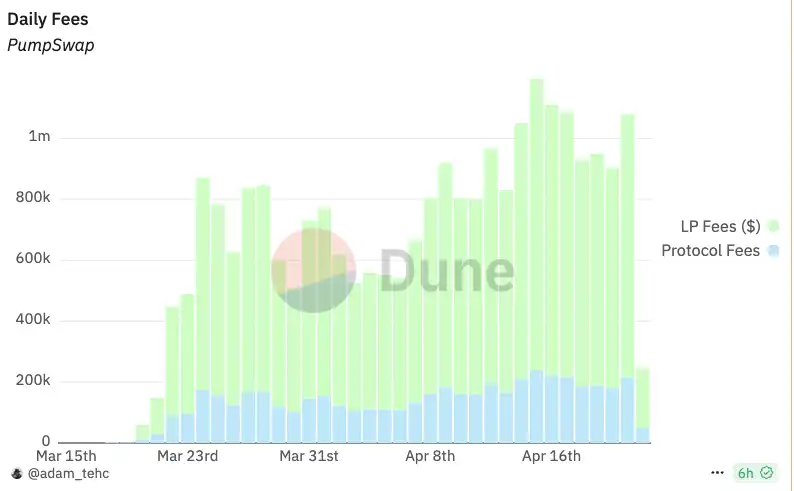
The launch of Pumpswap was a wise move by the Pumpfun team, who charge a 0.25% fee, with 0.02% allocated to liquidity providers (LPs) and 0.05% to the protocol.
In approximately the first month after launch, Pumpswap generated around $25 million in total fees (ranging from $100,000 to $240,000 per day), with LPs receiving about $20 million and the remaining $5 million allocated to the protocol. It is expected that as Pumpswap's market share expands (which has been steadily increasing), this figure will continue to grow as people tend to trade new tokens rather than old ones.
The perspective of prioritizing trading new coins aligns with how the Memecoin sector will continue to evolve. Recently, competition in the Memecoin sector has become more intense. This is no longer a secret, as the remaining active participants are all seasoned veterans who have weathered the storm during difficult times of declining SOL prices, decreasing trading volumes, and user attrition.
The Memecoin sector relies on new liquidity brought in by new users. Initially, liquidity came from those more composed crypto investors/industry participants who "surrendered" as their meme coins continued to depreciate and sought quicker returns. As the entire market continues to grow, retail investors are also getting involved.
Players have grown tired of DeFi tokens that require careful management and a deep understanding of protocol design and dynamics. Memecoins remain the preferred tool for speculation, with Solana acting as a casino/house. They are easy to understand, have a low barrier to entry, and offer higher returns for new traders due to their highly asymmetric upside potential. Something new happens every day, and everything can be tokenized, with endless content: personalities, content, events, memes, and more.
Everything is just beginning.
You may also like

Morning Report | Secret Network loses $4.67 million due to cross-chain vulnerability; Michael Saylor releases Bitcoin Tracker information again, may disclose increased holdings data next week

Kalshi's biggest competitor is not Polymarket

The second half of the computing power battle: Intel CEO Pat Gelsinger reveals how AI is reshaping the global semiconductor supply chain
B.AI partners with MiniMax to launch a limited-time free experience of M3, enabling zero-threshold implementation of Agentic productivity through full-stack infrastructure

A company that was on the verge of bankruptcy has just surpassed Bitcoin in market value

The two giants are racing in "credit": loan balances of 9.9 billion vs 14.6 billion USD, Brazil has become the main battlefield

Rented Belief: How Much of the Bitcoin ETF Fund Flow is Real Money

On-chain finance: On-chain IPOs and on-chain ICOs, a new frontier in the trillion-dollar market

WEEX Live mode: Monitor 20 trading pairs at once and trade like a pro

WEEX Makes Affiliate Access Easier on the Web and in the App

Customize Your Spot Trading Page: Drag Modules and Move the Order Panel Where You Want It

Perp DEX: The Next Generation Exchange "War"

10 Counterintuitive Insights on Latin American Payments

The AI gamble of mining companies: Valuations enter a phase of differentiation, and it's hard to turn the tide
A letter from Alliance to entrepreneurs: Written on the occasion of Cursor selling for 60 billion dollars
Stablecoins Finally Find Real Returns: On-Chain Reinsurance Re Explained | Interview with Re Founder Karan Saroya

The impossible triangle is simply a pseudo problem

Will MicroStrategy fall into a death spiral? What will the macro trend be in the second half of the year?
Morning Report | Secret Network loses $4.67 million due to cross-chain vulnerability; Michael Saylor releases Bitcoin Tracker information again, may disclose increased holdings data next week
Kalshi's biggest competitor is not Polymarket
The second half of the computing power battle: Intel CEO Pat Gelsinger reveals how AI is reshaping the global semiconductor supply chain
B.AI partners with MiniMax to launch a limited-time free experience of M3, enabling zero-threshold implementation of Agentic productivity through full-stack infrastructure
A company that was on the verge of bankruptcy has just surpassed Bitcoin in market value
The two giants are racing in "credit": loan balances of 9.9 billion vs 14.6 billion USD, Brazil has become the main battlefield


