
 Buy Crypto
- Markets
 Futures
- Spot
- Copy Trade
- Earn
- More
If Trump Fires Fed's Powell, What Happens to Market?

Powell did not signal a rate cut at yesterday's event at the Chicago Economics Club. The most anxious person, of course, is Trump. The President, who has been toying with tariffs for over a month, was apparently furious at the Fed's decision not to lower rates, launching a series of attacks on Powell: "If I want, Fed Chair Powell will resign. I am not satisfied with him (Powell). I think Powell has not done a good job." "Powell is slow to react, slow to act." "Powell is playing politics; rates should be cut now." "The people at the Fed are not very smart, Powell is too bad." Powell is "someone I never really liked." Powell, on the other hand, staunchly defended the Fed's independence, rebuffed political interference, and stated that the Fed would make decisions based solely on what is best for the American people.
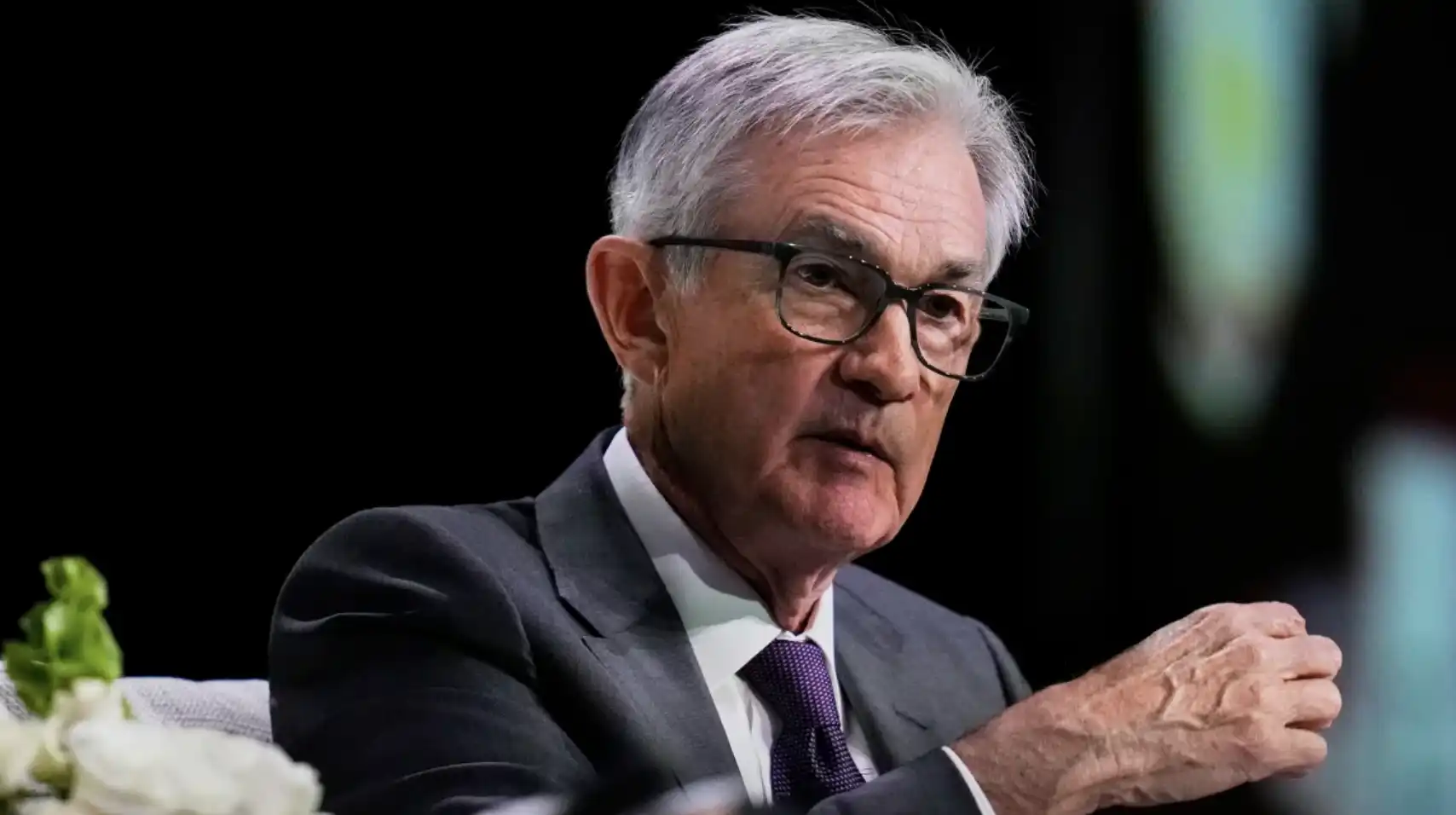
Trump Challenges Fed's Independence
Trump has never hidden his disappointment with Powell. On April 17, 2025, in the Oval Office, he told reporters, "If I want him to leave, believe me, he will leave soon!" He then took to Truth Social to once again urge Fed Chair Powell to cut rates, stating, "The European Central Bank is about to cut rates for the seventh time, while the Fed's 'forever late' Mr. Powell has once again messed up everything. Yesterday he threw out a typical jumbled report—oil prices are falling, food prices are dropping, even eggs are getting cheaper, and the U.S. is making a fortune through tariffs. This 'slowpoke' should have cut rates like the European Central Bank long ago, and now it is more urgent than ever. Powell's countdown to stepping down should be accelerated!"
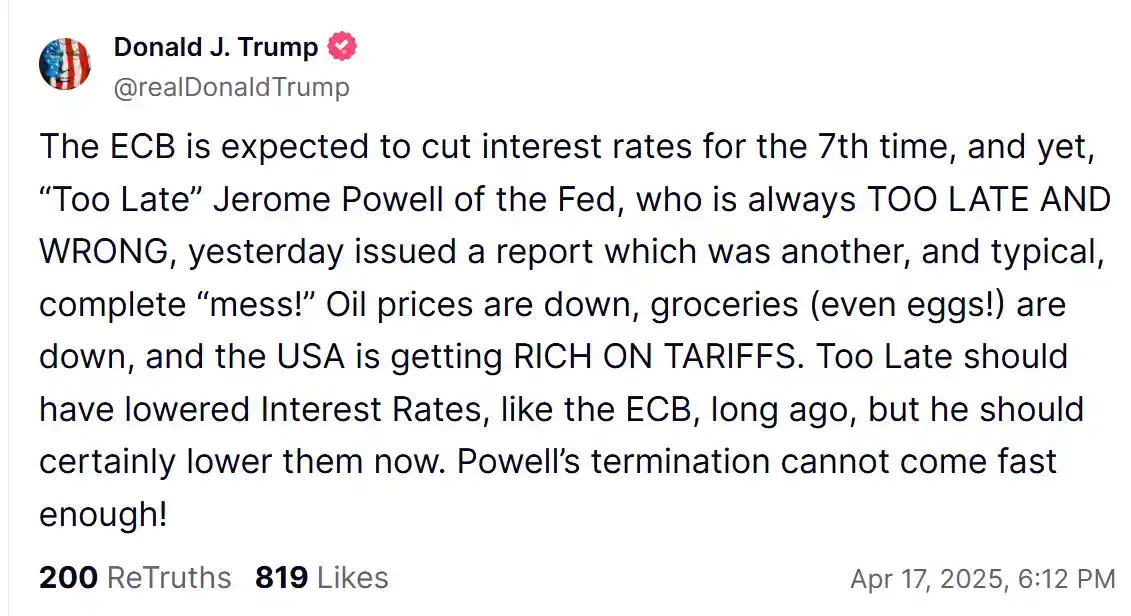
Trump's anger largely stems from Powell's "conservative" stance on monetary policy. He believes that Powell has failed to significantly cut rates in a timely manner, missing the window to stimulate economic growth. What further displeases Trump is that the Fed's high-rate policy conflicts with his tariff plan implemented after taking office. Trump's tariff policy aims to protect domestic industries but may raise prices of imported goods, thereby exacerbating inflationary pressures. The Yale University Budget Lab estimates that these tariffs equate to a $4,900 increase in the actual tax burden for each American household. Against this backdrop, Trump hopes the Fed will alleviate economic pressure through rate cuts to support his policies.
As for whether Trump wants to fire Powell, while he publicly told reporters that he "does not regret nominating Powell," clues may be gleaned from a WSJ report. Sources say Trump has privately discussed replacing Powell with former Fed Governor Kevin Warsh.
What are the obstacles to firing Powell?
Can Trump really "fire" Powell as he wishes? The answer is not simple.
According to the Federal Reserve Act, the Chair of the Fed and Board members can only be "removed for cause," which typically refers to misconduct, malfeasance, or incapacitation, rather than policy disagreements. Historically, no Fed Chair has ever been directly removed by a President, and this legal framework provides a solid safeguard for the Fed's independence. Powell himself is clear on this. In November 2024, when asked if he would resign if Trump asked him to, he unequivocally replied, "No."
Furthermore, Powell's term also provides him with protection. He was initially nominated by Trump to serve as Fed Chair in 2017, and re-nominated by Biden in 2022, with his chairmanship term running until May 2026. Brookings Senior Fellow Sarah Binder pointed out that courts generally do not view differences on interest rate setting as a "just cause," so if Trump were to forcibly remove Powell, he might face a legal challenge.
Even if legally permissible, firing Powell is also fraught with political risks. The Fed's independence is not just a legal issue but a cornerstone of market confidence. Binder warned that a President's attempt to oust Powell could increase market uncertainty, undermine public trust in the Fed, leading to significant stock and bond market volatility, and potentially affecting the cryptocurrency market. After all, despite its emphasis on "decentralization," the price of cryptocurrency is still heavily influenced by the macroeconomic environment and investor sentiment.
Trump's aggressive stance has even raised concerns among some who criticize Powell. Senior Democratic Senator Warren stated that undermining the Fed's independence could trigger a market collapse.
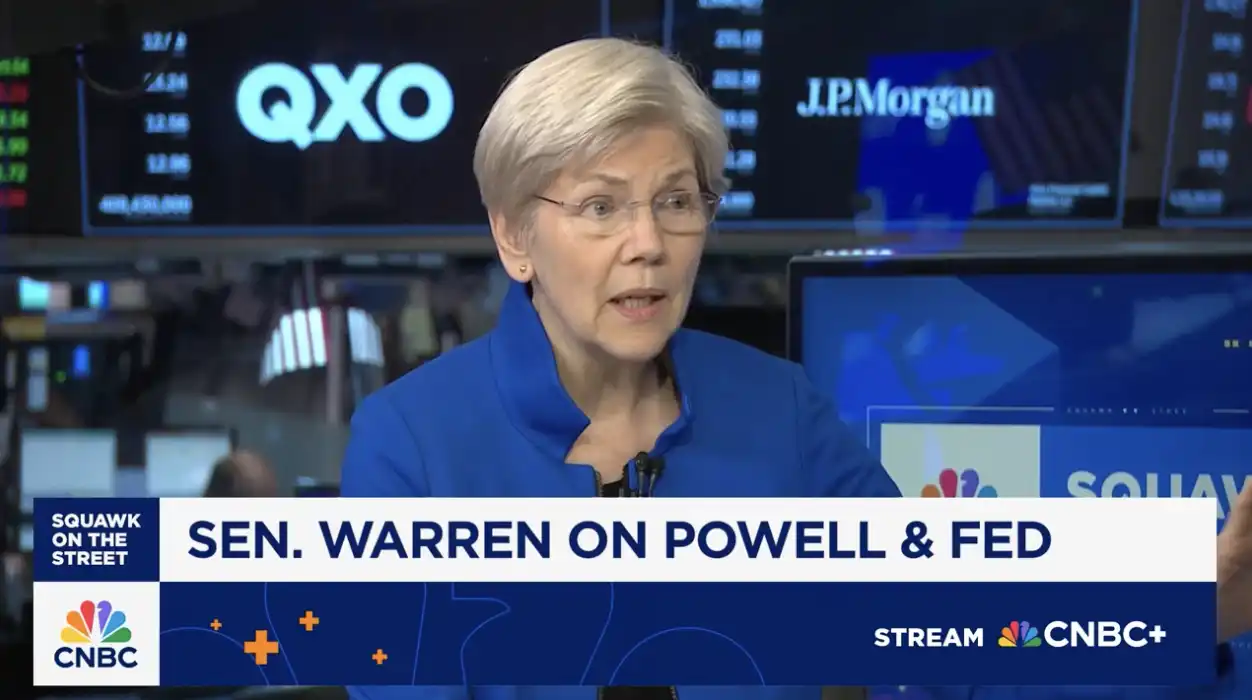
While there are two "protective shields" from the law and the market, this does not mean Powell's position is not under threat. The recent case being heard by the U.S. Supreme Court regarding presidential removal power of senior officials in independent agencies may provide Trump with a legal basis. Although the case is not about the Fed but the National Labor Relations Board and the Consumer Financial Protection Bureau, the ruling could set a precedent for expanding presidential power. Despite the precedent set by the 1935 case "Humphrey's Executor v. United States," which limited the President's ability to dismiss independent agency heads without cause, the current conservative-leaning Supreme Court may reconsider this ruling. If the Court leans towards expanding presidential power, Powell's position could indeed be in jeopardy.
Additionally, Powell's approval is not unassailable. Compared to Trump's first term, Powell is now facing more scrutiny. Some argue that the Fed's actions to curb inflation in 2022-2023 were too slow, leading to policy missteps. Allies within the White House believe that Trump's Thursday morning tweets were more about trying to disrupt Powell's position and portray him as a future "scapegoat for economic issues," which could weaken his public support and increase the risk of being replaced.
How Will It Impact the Crypto Market?
Perhaps firing Powell isn't the most crucial part. For Trump, this move seems to be aimed at pressuring the Fed to "turn on the taps" by making a significant interest rate cut to stimulate economic growth.
A rate cut usually means increased liquidity, a decrease in the purchasing power of the dollar, and rising inflation expectations. In this environment, cryptocurrency, especially Bitcoin, known as "digital gold," can attract fund inflows. Looking back at 2020, the Fed cut rates to near-zero to combat the pandemic, and the price of Bitcoin soared from under $10,000 to $67,000 by the end of 2021, hitting an all-time high. A similar scenario may unfold under Trump's pressure for rate cuts.
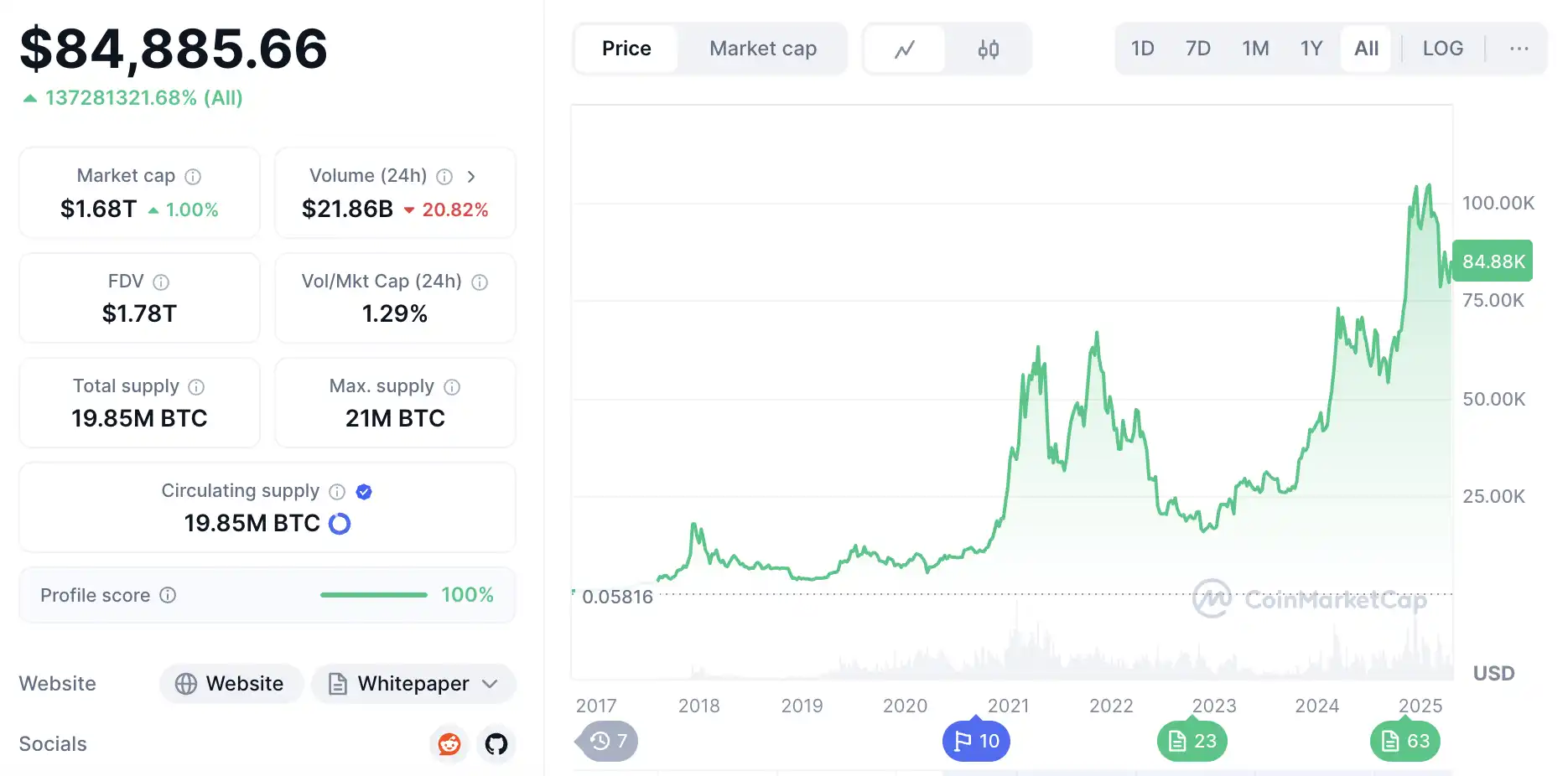
Furthermore, Trump's tariff policy could further drive up inflation. According to Powell's warning, tariffs could lead to price increases for imported goods, squeeze household budgets, and raise prices. Yale University's estimates show that the inflation effect of tariffs is equivalent to an additional $4,900 in real tax burden per household. Under inflationary pressures, investors may shift funds to mainstream cryptocurrencies like Bitcoin or even chase high-risk altcoins, sparking a bull market frenzy.
Looking further ahead, if the Fed succumbs to political pressure and loses its independence, the credibility of US monetary policy may be damaged. DeFi and blockchain technology act as a supplement to the flaws in the traditional financial system. If the Fed becomes politicized, it could accelerate investor disillusionment with the dollar system, driving funds into ecosystems like DeFi.
However, rate cuts are not a panacea. Powell warned in yesterday's speech at the Economic Club of Chicago that Trump's tariff policy could push the US economy into a state of "stagflation"—high inflation coexisting with economic slowdown. This situation would make the Fed's dual mandate (price stability and maximizing employment) exceptionally complicated.
In a stagflationary environment, the Fed may face a dilemma: stimulating the economy with rate cuts could exacerbate inflation, while maintaining high rates could suppress growth. For the cryptocurrency market, this means significant price fluctuations.
This game between Trump and Powell may ultimately evolve into a war of attrition with no winners, and the casualties will be market confidence and economic stability. History tells us that the cost of political interference is often borne by the wallets of ordinary investors and their grocery bills.
You may also like

ChainCatcher Hong Kong Themed Forum Highlights: Decoding the Growth Engine Under the Integration of Crypto Assets and Smart Economy

Why can this institution still grow by 150% when the scale of leading crypto VCs has shrunk significantly?

Anthropic's $1 trillion, compared to DeepSeek's $100 billion

Geopolitical Risk Persists, Is Bitcoin Becoming a Key Barometer?

Annualized 11.5%, Wall Street Buzzing: Is MicroStrategy's STRC Bitcoin's Savior or Destroyer?

An Obscure Open Source AI Tool Alerted on Kelp DAO's $292 million Bug 12 Days Ago

Mixin has launched USTD-margined perpetual contracts, bringing derivative trading into the chat scene.
The privacy-focused crypto wallet Mixin announced today the launch of its U-based perpetual contract (a derivative priced in USDT). Unlike traditional exchanges, Mixin has taken a new approach by "liberating" derivative trading from isolated matching engines and embedding it into the instant messaging environment.
Users can directly open positions within the app with leverage of up to 200x, while sharing positions, discussing strategies, and copy trading within private communities. Trading, social interaction, and asset management are integrated into the same interface.
Based on its non-custodial architecture, Mixin has eliminated friction from the traditional onboarding process, allowing users to participate in perpetual contract trading without identity verification.
The trading process has been streamlined into five steps:
· Choose the trading asset
· Select long or short
· Input position size and leverage
· Confirm order details
· Confirm and open the position
The interface provides real-time visualization of price, position, and profit and loss (PnL), allowing users to complete trades without switching between multiple modules.
Mixin has directly integrated social features into the derivative trading environment. Users can create private trading communities and interact around real-time positions:
· End-to-end encrypted private groups supporting up to 1024 members
· End-to-end encrypted voice communication
· One-click position sharing
· One-click trade copying
On the execution side, Mixin aggregates liquidity from multiple sources and accesses decentralized protocol and external market liquidity through a unified trading interface.
By combining social interaction with trade execution, Mixin enables users to collaborate, share, and execute trading strategies instantly within the same environment.
Mixin has also introduced a referral incentive system based on trading behavior:
· Users can join with an invite code
· Up to 60% of trading fees as referral rewards
· Incentive mechanism designed for long-term, sustainable earnings
This model aims to drive user-driven network expansion and organic growth.
Mixin's derivative transactions are built on top of its existing self-custody wallet infrastructure, with core features including:
· Separation of transaction account and asset storage
· User full control over assets
· Platform does not custody user funds
· Built-in privacy mechanisms to reduce data exposure
The system aims to strike a balance between transaction efficiency, asset security, and privacy protection.
Against the background of perpetual contracts becoming a mainstream trading tool, Mixin is exploring a different development direction by lowering barriers, enhancing social and privacy attributes.
The platform does not only view transactions as execution actions but positions them as a networked activity: transactions have social attributes, strategies can be shared, and relationships between individuals also become part of the financial system.
Mixin's design is based on a user-initiated, user-controlled model. The platform neither custodies assets nor executes transactions on behalf of users.
This model aligns with a statement issued by the U.S. Securities and Exchange Commission (SEC) on April 13, 2026, titled "Staff Statement on Whether Partial User Interface Used in Preparing Cryptocurrency Securities Transactions May Require Broker-Dealer Registration."
The statement indicates that, under the premise where transactions are entirely initiated and controlled by users, non-custodial service providers that offer neutral interfaces may not need to register as broker-dealers or exchanges.
Mixin is a decentralized, self-custodial privacy wallet designed to provide secure and efficient digital asset management services.
Its core capabilities include:
· Aggregation: integrating multi-chain assets and routing between different transaction paths to simplify user operations
· High liquidity access: connecting to various liquidity sources, including decentralized protocols and external markets
· Decentralization: achieving full user control over assets without relying on custodial intermediaries
· Privacy protection: safeguarding assets and data through MPC, CryptoNote, and end-to-end encrypted communication
Mixin has been in operation for over 8 years, supporting over 40 blockchains and more than 10,000 assets, with a global user base exceeding 10 million and an on-chain self-custodied asset scale of over $1 billion.

$600 million stolen in 20 days, ushering in the era of AI hackers in the crypto world
Vitalik's 2026 Hong Kong Web3 Summit Speech: Ethereum's Ultimate Vision as the "World Computer" and Future Roadmap
On the same day Aave introduced rsETH, why did Spark decide to exit?
Full Post-Mortem of the KelpDAO Incident: Why Did Aave, Which Was Not Compromised, End Up in Crisis Situation?

After a $290 million DeFi liquidation, is the security promise still there?
ZachXBT's post ignites RAVE nearing zero, what is the truth behind the insider control?

Vitalik 2026 Hong Kong Web3 Carnival Speech Transcript: We do not compete on speed; security and decentralization are the core
In-depth Analysis of RAVE Events: Short Squeeze, Crash, and Quantitative Financial Models of Liquidity Manipulation

Eve of Ceasefire, US Military Fires on Iranian Vessel | Rewire News Morning Brief

Figma's stock price drops over 7%, will Claude Design be the terminator?




 App
App