
These people and projects are the focus of ERC-8004



The Ethereum Foundation has announced that the ERC-8004 standard is about to go live on the mainnet, adding fuel to the already hot AI Agent track.
They say a new protocol brings new opportunities, but what does this new standard really mean? Is it just a technical iteration, or a key strategic move for Ethereum in the AI era?
While retail investors are still chasing the next hundredfold Meme, industry giants like Coinbase, Cloudflare, Solana have quietly entered the scene, laying the foundation of trust and payment rails for the upcoming AI wave.
How will this transformation unfold? In the three major battlefields of Ethereum, Base, and Solana, which projects have already taken the lead?
Why Do We Need ERC-8004
Everyone is looking forward to 2026 as the year of the AI Agent application explosion and Vibe-coding, where more AI Agents developed by different companies and teams will emerge.
Imagine this, your future self has an AI travel assistant. When you ask it to help you book a trip, it may need to interact with numerous external AI agents: the airline's booking AI, the hotel's reservation AI, the local car rental AI, and even a travel guide AI to plan your itinerary.
So here's the question: How does your travel assistant know which airline's AI is official, not a scam? How can you trust that unfamiliar car rental AI won't let you down at a critical moment?
In the human world, we rely on business licenses, credit ratings, and platform guarantees to address trust and fraud issues. But in a digital world composed of countless anonymous AI agents, there is a significant "trust gap" between agents.
Without a unified standard, the AI economy will either become a closed system controlled by tech giants like Google, Apple, where data and reputation cannot be interoperable, or it will become a breeding ground for fraud and poor-quality services.
ERC-8004: The "ID Card" for Agents
ERC-8004 is precisely designed to solve this problem.
It can be understood as a globally recognized identity system on Ethereum tailored for AI Agents, like an immutable digital passport, giving each AI agent a unique identity.
This "passport" can dynamically record an Agent's entire "resume": how many clients they have served, how many positive reviews they have received, whether they have passed third-party "skill certifications," and so on.
All of this is publicly transparent, recorded on the chain, and cannot be deleted or modified by anyone (including the AI itself).
Why is this important? Because it establishes a universal reputation system. An AI agent that has accumulated a good reputation on Platform A can seamlessly connect to Platform B with its "credit file" without starting from scratch. Reputation is the most important asset and collateral for an AI agent in this digital world.
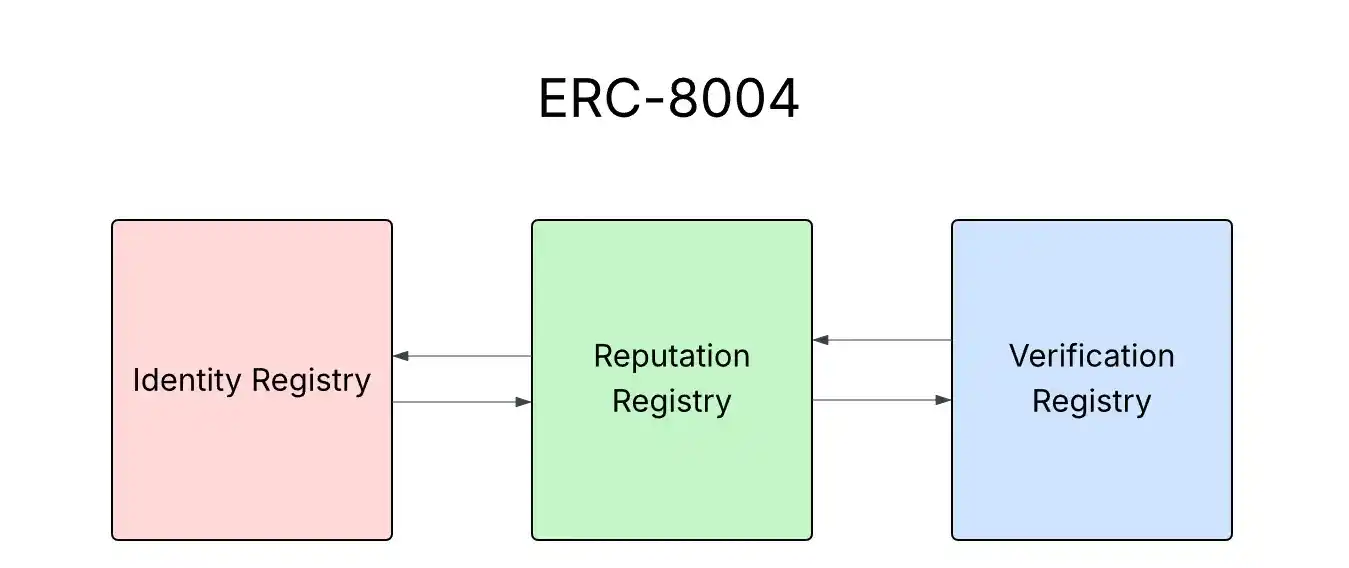
Core of ERC-8004: Identity Registry, Reputation Registry, and Verification Registry as a trinity
Just as ERC-20 standardized tokens and ERC-721 pioneered the NFT market, ERC-8004 aims to provide a uniform trust foundation for the upcoming AI Agent economy.
Web2 AI Agents can also use this reputation system for real-world interactions. For example, a weather forecast AI agent can obtain off-chain weather data through an oracle and accumulate reputation on-chain based on data accuracy.
Now let's consider a crypto-native scenario. Suppose a new Meme coin project wants to airdrop accurately, only to those real, experienced "Meme Masters," not to bots or airdrop hunters. How can the project team filter? ERC-8004 offers a perfect solution.
The project team can set a rule: only airdrop to AI trading assistants whose ERC-8004 identity record shows "traded in over 20 types of Meme coins in the past 3 months, with profit more than 5 times."
This way, no matter how many new wallets you create, as long as your AI trading assistant's "credit file" does not meet the criteria, you cannot receive the airdrop. This fundamentally increases the cost of sybil attacks, ensuring that the project's tokens reach the core community contributors.
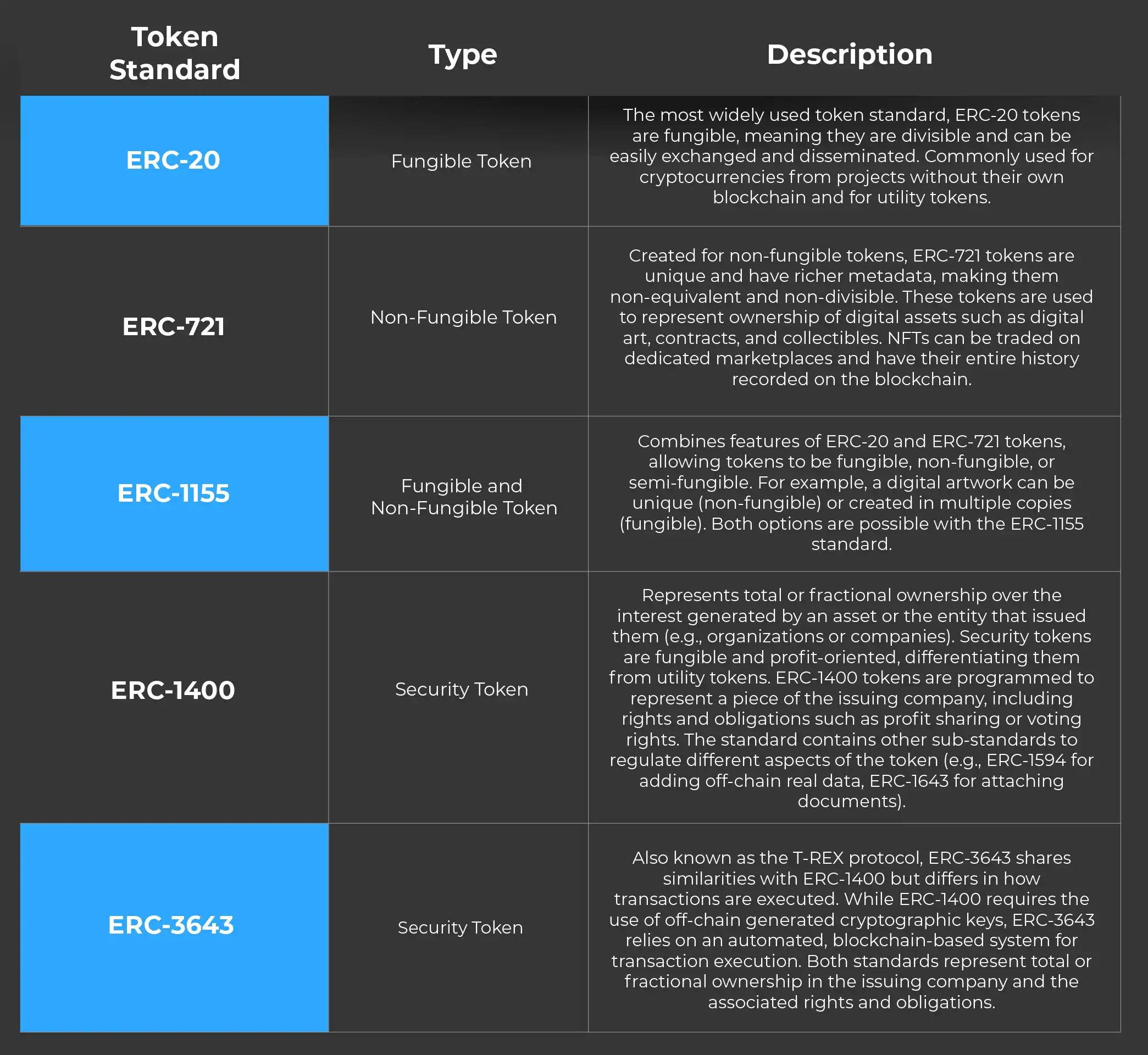
Evolutionary history of ERC standards, from ERC-20 to ERC-8004, each standard has opened up new application scenarios
x402: Agent's POS Terminal
ERC-8004 solves the "Who are you" and "Should I trust you" problem between AI Agents, while the x402 protocol solves the "How do Agents transact with each other" problem.
It provides a standardized set of Web3 payment instructions, allowing an AI service provider to automatically send out an "invoice" upon receiving a request. The requesting AI agent can then automatically understand this invoice and complete the payment.
The whole process is "payment on delivery," without the need for human intervention.
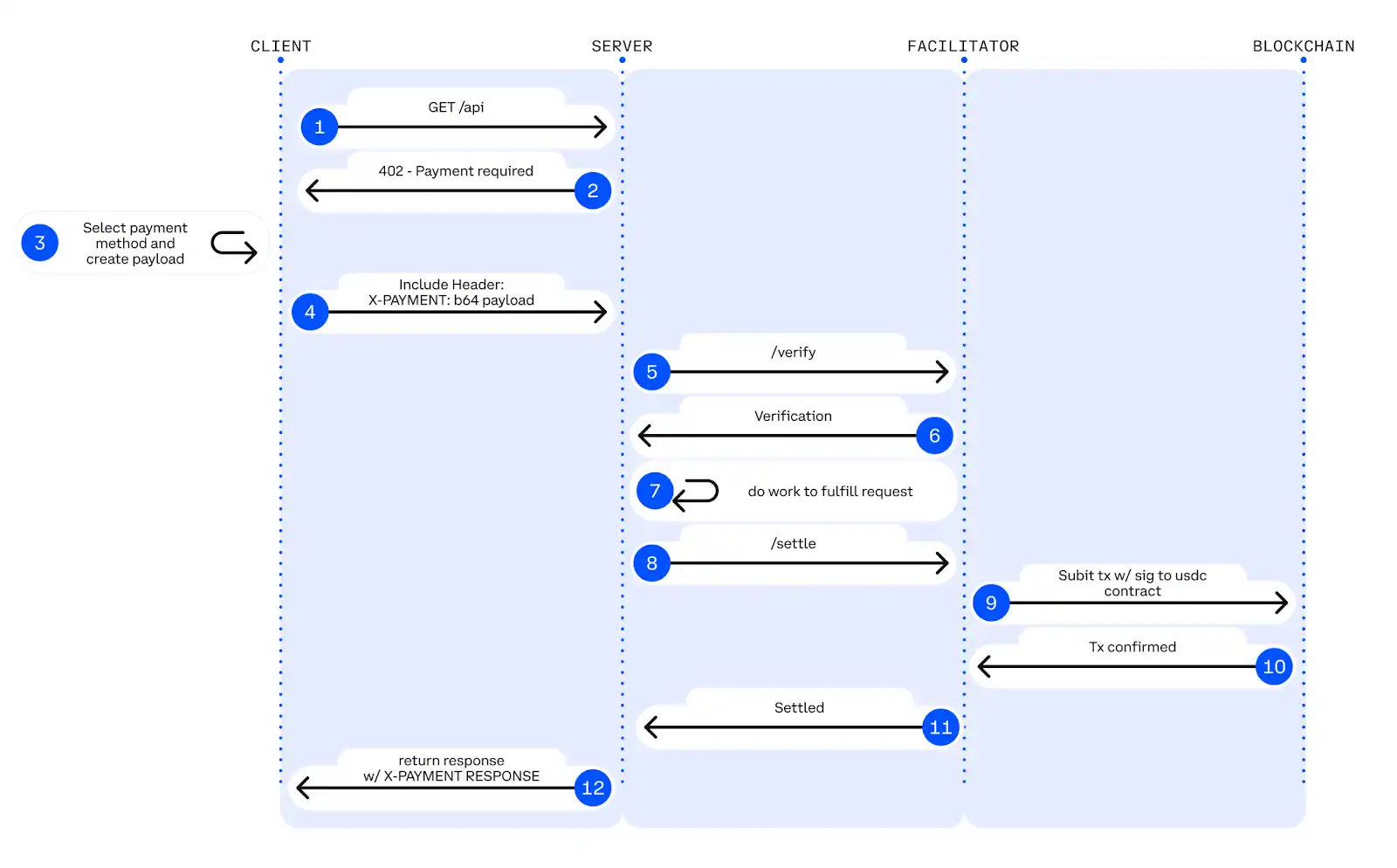
The overall architecture of the x402 protocol, showing how the client, server, and facilitator cooperate to complete the payment
For example, an AI drawing assistant needs to call upon a more powerful cloud-based AI model to complete a complex image. Through x402, the drawing assistant can automatically pay the cloud-based AI model a $0.01 computing fee and complete the transaction upon receiving the image, all within seconds automatically, without any human approval or complex payment process.
In short, ERC-8004 is the ID and credit report of AI, while x402 is the POS terminal they use to transact.
The combination of the two paves the way for AI Agents to safely and trustworthily collaborate and exchange value globally.
The Dawn of the "Agent Economy"
The rapid market adoption of x402 and ERC-8004 is not just a result of accidental technological iteration but a strategic deployment well thought out by industry giants, marking the beginning of a new era of deep integration of Web3 payments and Web2 applications.
Web2 Applications + Web3 Payments
Ethereum's ERC-8004 protocol provides trust consensus, while the collaboration between Coinbase and Cloudflare sets a concrete payment path for the Agent economy.
For Ethereum, ERC-8004 extends the blockchain's applications from DeFi to the broader AI economy, creating new use cases for ETH, such as collateral for AI agents, payment fees, etc., thereby consolidating its position as a "global settlement layer."
As one of the world's largest CDN providers, Cloudflare's network spans millions of websites. By integrating x402 into its services, Coinbase, through its partnership with Cloudflare, can not only provide AI-driven payment capabilities to a massive Web2 clientele but also secure a foothold in the AI economy's infrastructure, expanding its business boundaries.
Additionally, Coinbase acts as a compliant fiat on/off ramp, enabling the entire payment loop to close.
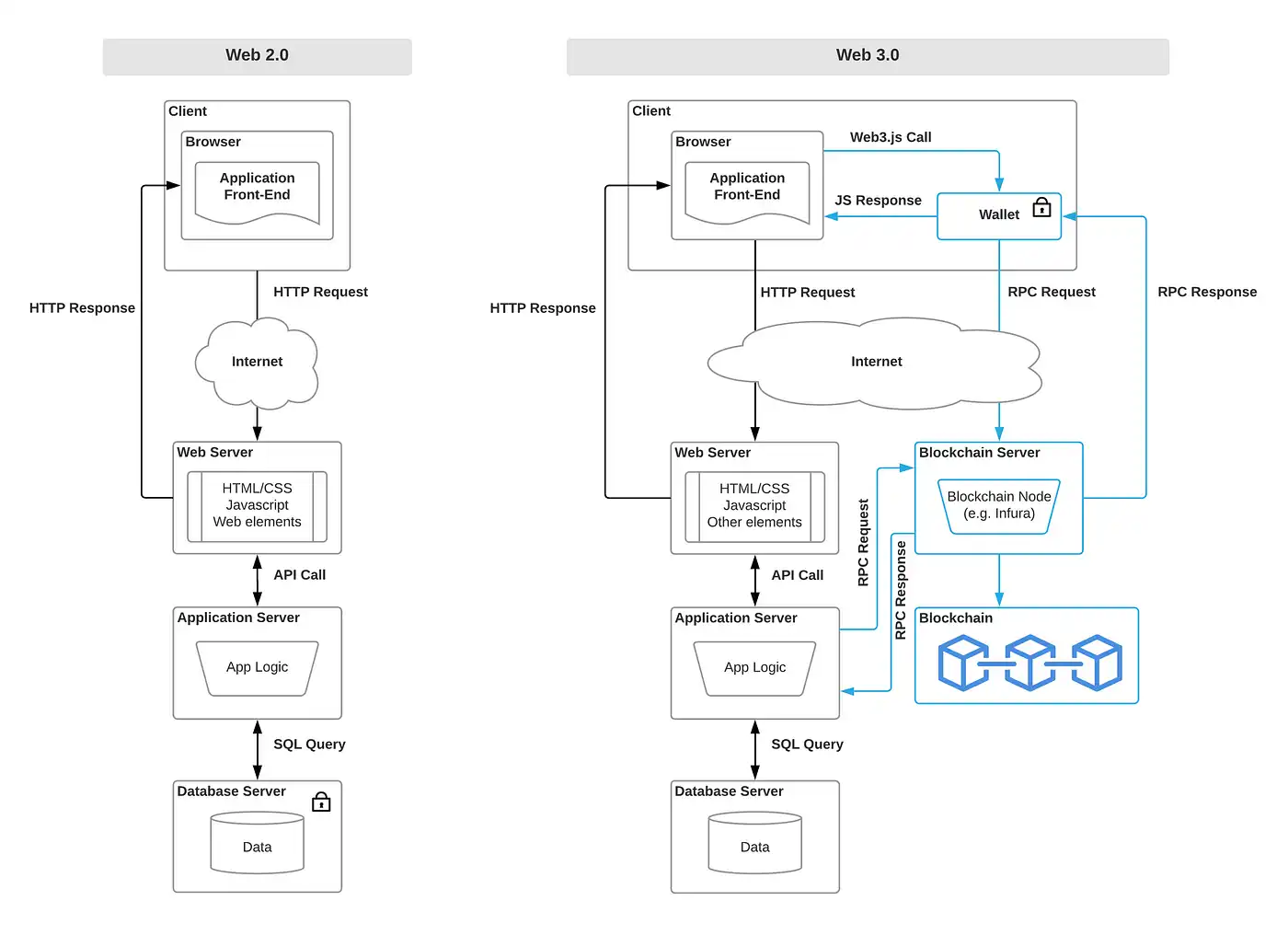
Technical architecture integrating Web2 and Web3, showcasing the collaboration among Cloudflare, Coinbase, and Ethereum
The combination of ERC-8004 and x402 fundamentally establishes a framework for running a Web2 AI Agent economy on Web3 infrastructure.
Focused on AI, it bridges the "Web2 App + Web3 Settlement" economic loop, allowing Crypto to capture incremental value from real-world AI applications, moving beyond internal speculative cycles.
Giant's Bet
Crypto giants have recognized the significance of this track for the entire industry, with Ethereum, Coinbase, and Solana all making their moves.
In September 2025, the Ethereum Foundation formally established a dedicated dAI (decentralized AI) team, positioning it as a core strategic direction alongside privacy and scalability.
The team's mission is crystal clear: to make Ethereum the preferred settlement and coordination layer for AI and the machine economy. The ERC-8004 standard serves as the cornerstone to realize this grand vision and stands as the primary development task post the dAI team's formation.
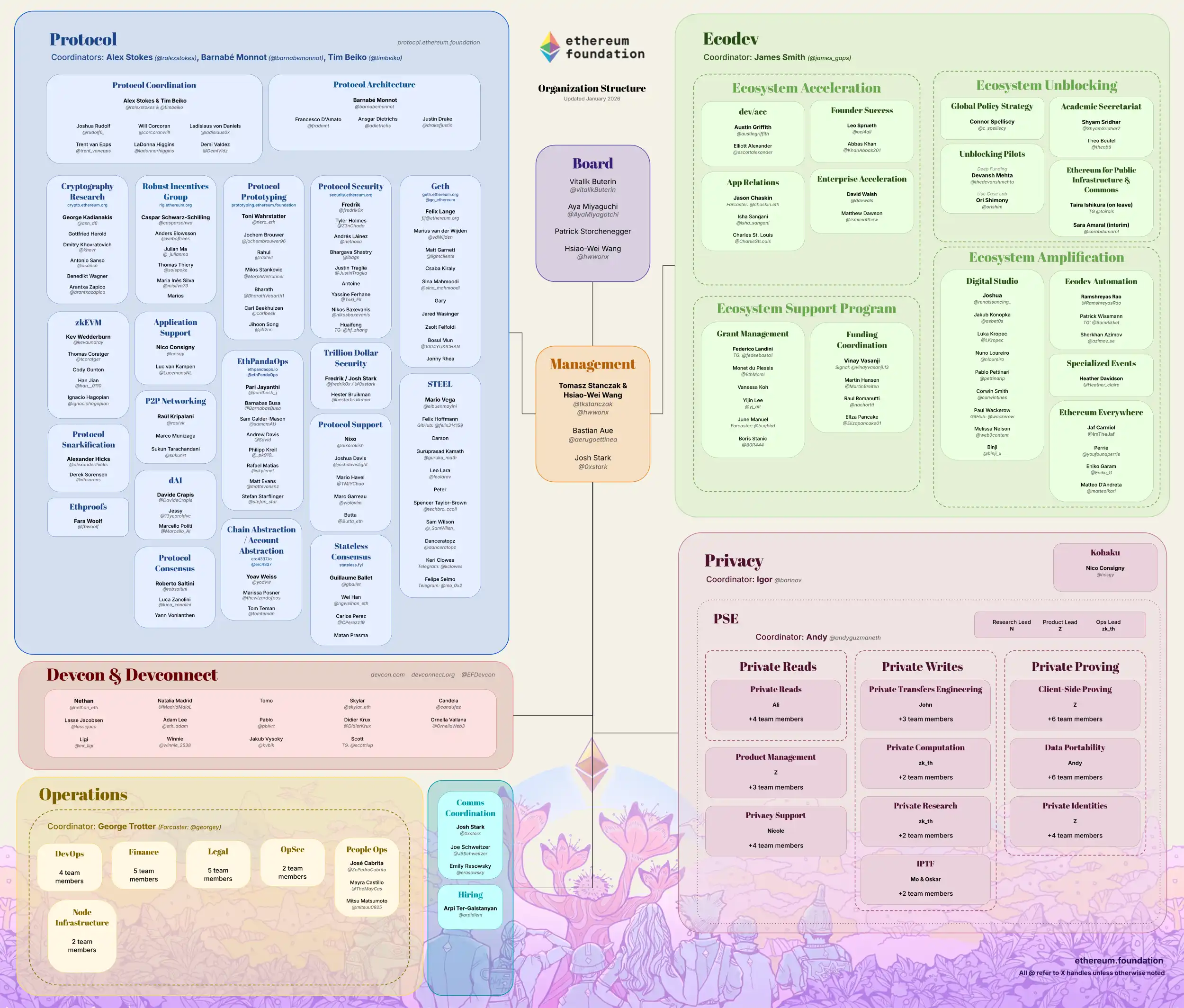
Ethereum Foundation's comprehensive organizational structure, with the dAI team positioned as a core strategic direction alongside privacy and scalability teams
The dAI team is led by Ethereum core developer Davide Crapis, with a stellar lineup of core members and ecosystem contributors. The team includes core members such as Vitto Rivabella from the Ethereum Foundation, as well as key figures like MetaMask AI Lead Marco De Rossi, former Coinbase Senior Engineer and x402 Protocol creator Erik Reppel, Google's Jordan Ellis, among others, who have come together as core development members of ERC-8004.
Additionally, the team features external advisors like Jessy (@13yearoldvc) from Nascent and Kevin (@kleffew94) from the Coinbase Developer Platform, who co-authored the x402 whitepaper, all contributing to the robust ecosystem of dAI.
Not only did Coinbase partner with Cloudflare to establish the x402 Foundation, but the Base network has also become the main battlefield for x402 transactions.
Solana has positioned x402 at the core of its AI strategy, with its co-founder Toly even personally securing the x402.sol domain name. By the end of 2025, Solana hosted an x402 hackathon that attracted over 400 projects, and its official Twitter account frequently engages with ecosystem projects.
As of the end of January 2026, the x402 protocol's annualized payment volume has reached $6 billion, with the number of transactions on the Base chain surpassing 2.29 million in just a few months. A new AI-driven economic system is rapidly taking shape.
How to Track the Ecosystem
For readers looking to stay updated on the 8004 and x402 ecosystem, the following channels and tools are worth bookmarking:
Key Figures and Community Updates on X (Twitter)
This is the primary channel to get the latest, most real-time information. It is recommended to follow the dAI team and key contributors as they often post about new projects, demos, and integration updates:
• @DavideCrapis: Head of the dAI team, often shares mainnet updates and ecosystem shoutouts.
• @marco_derossi: MetaMask AI Lead, primary author of ERC-8004.
• @programmer: Erik Reppel, x402 Protocol Creator.
• @VittoStack: Ethereum Foundation AI Engineer, known for sharing ecosystem maps and tools.
• @13yearoldvc: dAI Team Advisor, sharing unique insights on x402/8004.
• @kleffew94: x402 Whitepaper Co-author, Coinbase dev.
• @AIonBase_: Updates on Base Ecosystem AI project.
Official Website and GitHub
• x402 Official Website: https://www.x402.org/ (Ecosystem page lists all officially integrated projects)
• 8004scan: https://www.8004scan.io/ (View registered AI agents, identity NFTs, and reputation records)
• x402scan: https://www.x402scan.com/ (An x402 ecosystem explorer to track x402 protocol transactions and adoption)
For tech enthusiasts and developers, GitHub is the best place to dive into technical details and discover sample projects:
• ERC-8004 Reference Implementation: https://github.com/ChaosChain/trustless-agents-erc-ri
• ChaosChain Genesis Studio: https://github.com/ChaosChain/chaoschain-genesis-studio (the first end-to-end commercial prototype)
• Awesome ERC-8004: https://github.com/sudeepb02/awesome-erc8004 (a curated list of community-maintained projects, SDKs, and tools)
Noteworthy Projects
Ethereum Ecosystem Projects
Being the birthplace of the ERC-8004 standard, Ethereum has gathered a large number of infrastructure projects. These projects mostly play foundational roles in the x402 and ERC-8004 ecosystems, with frequent team interactions (such as X Space discussions and collaborations), attracting smart money like Electric Capital and Mirana.
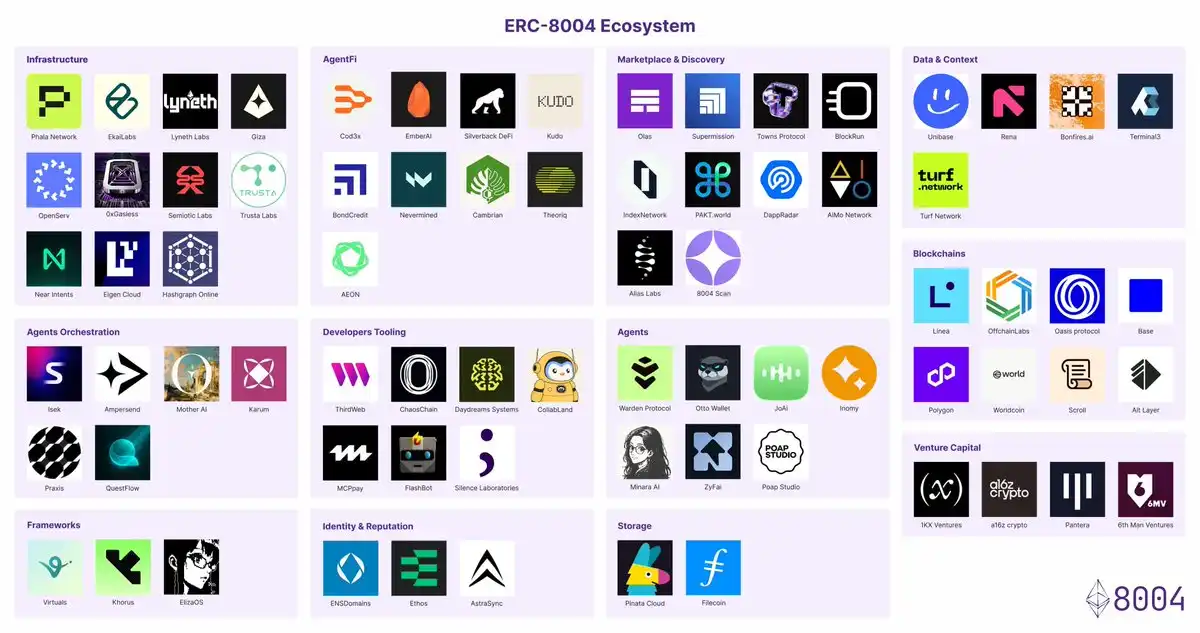
Ethereum AI Ecosystem Landscape, showcasing key projects and participants in the ERC-8004 ecosystem
1. 8004scan
8004scan is an AI agent on-chain explorer, with technical support from AltLayer and active engagement from dAI team leader Davide Crapis and several team members, referring to it as an "open, unified interface to check agent identity data."
On this website, you can query information about over 4500 registered AI agents, including their IDs, owners, reputation scores, and historical records, making it a crucial entry point to understanding the ecosystem.
The project currently does not have a native token.
2. ChaosChain Genesis Studio
ChaosChain Genesis Studio is the first end-to-end business prototype for the ERC-8004 and x402 ecosystems, created by developer @lordOfAFew.
It is not a standalone project but an open-source reference implementation that fully demonstrates how to integrate the ERC-8004 identity system with x402's USDC payment functionality, providing developers with a template to directly start building commercial applications.
This project is an open-source tool and does not have a token.
3. Giza Protocol
Giza is a protocol focused on zkML (Zero-Knowledge Machine Learning) technology, funded by the Ethereum Foundation, and deeply collaborated with Starkware.
Its core value lies in the ability for AI models to prove the correctness and reliability of their output results without revealing data and model details using zero-knowledge proof technology.
Within the ERC-8004 ecosystem, Giza can provide "verifiability" endorsement for AI agent reputation. For example, an AI trader can use Giza to prove that their operations strictly adhere to preset strategies, thus earning higher reputation scores.
The project has its own coin (GIZA) with a current market cap of around $9 million, having reached an all-time high of approximately $122 million.
4. Superfluid
Superfluid is a "streaming payment" protocol that has been live since 2020, recently gaining attention again due to its alignment with AI agent high-frequency, small-value payment scenarios. It has become an award-winning project at the Ethereum Foundation x402 hackathon.
It allows funds to be streamed like data in continuous payments by second, minute, or hour, enabling true "pay-per-use" and significantly improving capital efficiency.
The project has its own coin (SUPER) with a current market cap of around $2.2 million.
5. EigenLayer
The EigenLayer is a re-staking protocol that allows users to re-stake already staked ETH or other LST assets to provide security services to other protocols in need.
Within the AI agent ecosystem, EigenLayer can serve as a decentralized trust layer, providing economic security for the computation and validation processes of AI models. An AI agent validated by EigenLayer may have a higher value in terms of its ERC-8004 identity.
The project has its own token (EIGEN).
Base Ecosystem Projects
Base, as Coinbase's Layer 2, is the main battlefield of the x402 protocol. According to AI on Base data, the number of x402 transactions on the Base chain has surpassed Solana, capturing 60% of the market share.
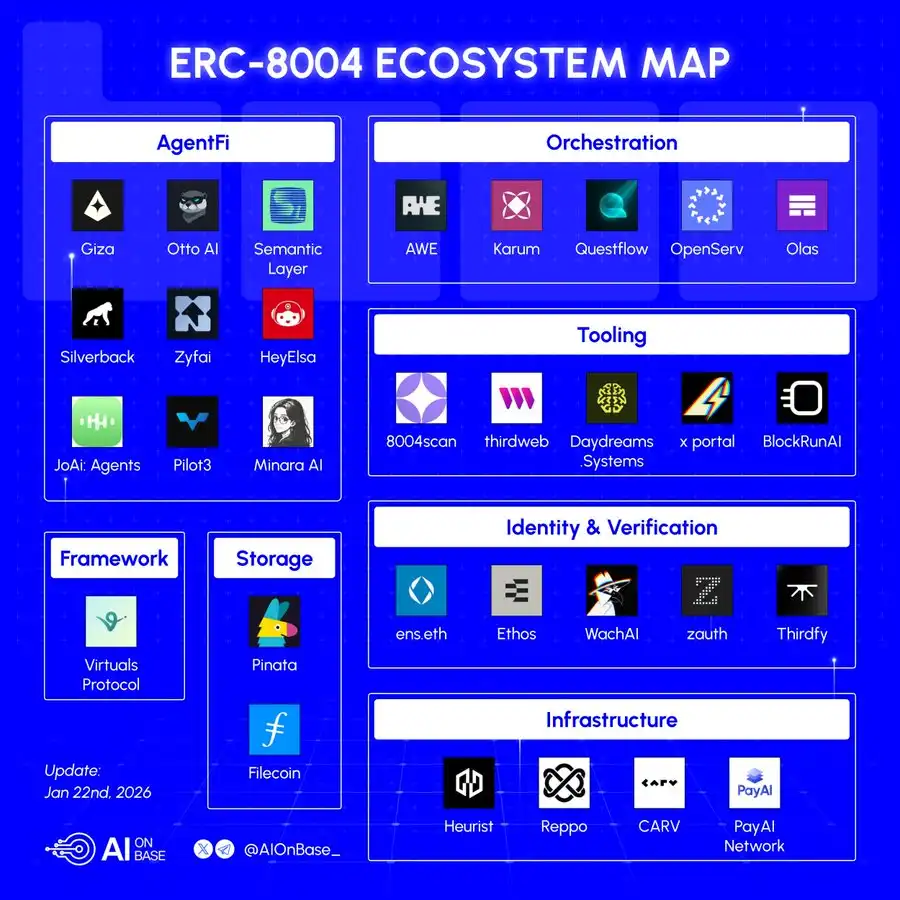
Projects on Base related to ERC-8004
1. Virtuals Protocol
The Virtuals Protocol has built an AI agent launchpad, allowing different AI agents to discover, collaborate, and settle with each other.
The team has openly stated that they are closely collaborating with the Ethereum Foundation to jointly promote Ethereum as the settlement center for AI agents. According to AI on Base data, the ecosystem has generated $4.67 billion in GDP and $1.33 million in revenue.
The project has its own token (VIRTUAL).
2. CLAWD
CLAWD is a phenomenal AI agent experiment on the Base chain, initiated by Ethereum Foundation developer Austin Griffith.
At its core is a bot running on Twitter (clawd.atg.eth), which can monitor the sentiment of tweets containing specific keywords and trigger the buyback and burn of on-chain tokens based on the sentiment being positive or negative.
This "Emotion-Driven Tokenomics" is highly innovative. Although the $CLAWD token was created organically by the community, the experiment received multiple interactions from dAI team lead Davide Crapis, Base official, and Jesse Pollak, with Austin Griffith himself also closely related to the dAI group.
The $CLAWD token on the Base chain has been issued, with significant trading volume, sparking widespread community interest. The current market cap is around $23M, reaching a peak of $34M.
Following the success of CLAWD, the CLAWD Legion saw the emergence of a second AI agent, EMBER, created by developer @bsmokes.
EMBER has its own GitHub account and can interact with CLAWD on the X platform and on-chain, demonstrating the possibility of collaboration between AI agents, with a current market cap of around $2.5M.
3. BlockRun.AI
BlockRun.AI is a platform that provides large-scale model API services for AI agents, has been retweeted multiple times by AI on Base, and supports the x402-mcp tool promoted by Base lead Jesse Pollak. Through the x402 protocol, it provides a unified interface for AI agents, allowing them to instantly call mainstream large-scale models' services such as ChatGPT, Anthropic, Google, etc., on demand, serving as essential infrastructure for AI agents to access intelligence.
This project has not yet issued a token.
Solana Ecosystem Projects
Solana's x402 hackathon in November 2025 attracted over 400 project submissions, with prizes exceeding $130,000, focusing on hardware and real-time payment innovations. Here are some of the more popular projects:
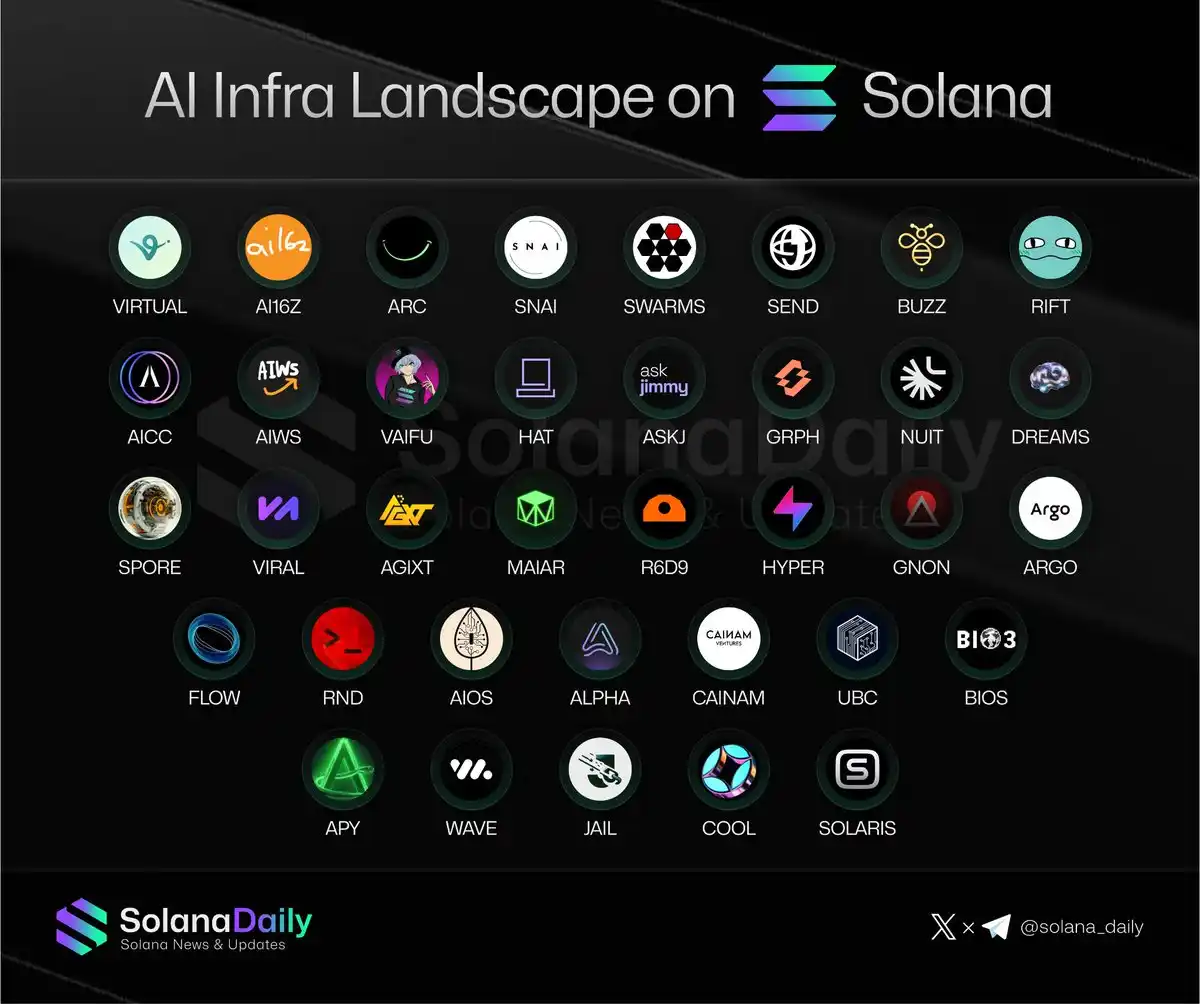
Solana AI Infrastructure Landscape, showcasing Solana's positioning in hardware innovation and real-time payments
1. Daydreams Agents
Daydreams Agents is a development framework focused on the commercialization of AI Agents, with support from the Solana Foundation.
Its launch of the Lucid Agents Commerce SDK allows developers to quickly build AI Agents that can autonomously sell services and collect fees in just 60 seconds.
These Agents natively support the x402 payment protocol and the ERC-8004 identity standard, enabling automatic transactions and collaboration between agents.
The Daydreams project is deployed across Solana, Base, and Starknet chains, providing developers with a complete "build-deploy-monetize" toolchain.
The project has its native token (DREAMS), with a current market capitalization of approximately $12M.
2. PayAI Network
As one of the premium x402 service providers, PayAI Network has received multiple endorsements from Solana officials.
It functions as an x402 facilitator, playing a crucial intermediary role in the x402 protocol. Specifically, when an AI agent needs to make a payment to another AI agent, the facilitator is responsible for validating the legitimacy of the payment request, and then executing the actual fund transfer and settlement on-chain on behalf of the application.
This way, AI agent developers do not have to directly deal with complex blockchain interactions but can complete payments through PayAI's API, significantly reducing the barrier to entry.
PayAI is also actively driving deep integration between x402 and ERC-8004, proposing that after each x402 payment is completed, the evaluation of both the buyer and seller is automatically recorded in the ERC-8004 reputation system, achieving a closed loop of "payment is reputation accumulation."
The project has its native token (PAYAI), with a current market capitalization of approximately $7.4M.
3. Intelligence Cubed (i³)
i³ is the champion of the Solana x402 hackathon main track.
It introduces the concept of IMO (Initial Model Offering), allowing developers to tokenize AI models and sell ownership, while investors can receive dividends based on the model's invocation frequency, providing a new pathway for the commercialization of AI models. All payments are made through x402.
The project has not yet launched its coin.
Conclusion
The emergence of x402 and ERC-8004 is not just a technical upgrade but also a paradigm shift on "who can pay for AI." With giants like Coinbase, Cloudflare, the Ethereum Foundation, and Solana entering the scene, a new AI Agent-driven economic system is rapidly taking shape.
From the project distribution perspective, the Ethereum ecosystem focuses on infrastructure and trust layers, the Base ecosystem forms an application layer ecosystem with Virtuals Protocol at its core, and the Solana ecosystem emphasizes hardware innovation and real-time payments. For investors, focusing on projects that have received official endorsements, proven themselves in hackathons, and have genuine community support is undoubtedly the best way to ride this AI+Crypto wave.
You may also like

Morning Report | DeepSeek completes over $7 billion in financing, with a valuation exceeding $50 billion; Musk's personal wealth has surpassed the total market value of Bitcoin

Cursor, why did you get on Musk's spaceship?

In the name of charity, for the benefit of the family: How the Trump family turned charity into profit?

Will Gold Break $4,500 After Tonight's Fed Decision? What XAUT and PAXG Traders Need to Know

SharpLink CEO: How to understand that Ethereum developers have just surpassed 1 million?

Morning Report | MiCA grace period expires on July 1; Kalshi's trading volume in the first week of the World Cup breaks $5.1 billion, setting a record

The foundation of SpaceX's trillion-dollar valuation: Who is dividing Musk's annual capital expenditure of tens of billions?
How to exit after asset tokenization?

The stablecoin positioning battle escalates: When compliance is just a ticket to entry, will USD1 become the biggest winner?

A16Z: The sun bears witness, SpaceX is worth 7.5 trillion

Mergers and acquisitions in the cryptocurrency market are exceptionally active

Concerns Behind the Binance Customer Service Controversy

SpaceX Stock Prediction After the IPO: Can SPCX Reach $200 Before QQQ Inclusion?

Congratulations to Carl Moon on His Historic Ferrari Challenge Le Mans Podium Triumph
Crypto influencer and racing enthusiast Carl Moon finished third in the Ferrari Challenge Le Mans Coppa Shell class, marking his best result of the year. As his racing partner and sponsor, WEEX celebrates this remarkable achievement and continues to lead crypto’s journey beyond boundaries, uniting the innovation of digital assets with the passion of motorsport.
Can the CLARITY Act Become Law by July 4? Everything You Need to Know About the Final Battle

France vs Senegal World Cup 2026: Mbappe’s New Era Begins Against a Historic Rival
What is the connection between Huang Zheng of Pinduoduo and blockchain?

Morning Report | Prediction market platforms like Kalshi and Polymarket jointly sue Kentucky over 14.25% trading tax; Bridgewater founder discusses decision-making in the AI era: principled thinking should run parallel to AI, human insight remains irre...
Morning Report | DeepSeek completes over $7 billion in financing, with a valuation exceeding $50 billion; Musk's personal wealth has surpassed the total market value of Bitcoin
Cursor, why did you get on Musk's spaceship?
In the name of charity, for the benefit of the family: How the Trump family turned charity into profit?
Will Gold Break $4,500 After Tonight's Fed Decision? What XAUT and PAXG Traders Need to Know
SharpLink CEO: How to understand that Ethereum developers have just surpassed 1 million?
Morning Report | MiCA grace period expires on July 1; Kalshi's trading volume in the first week of the World Cup breaks $5.1 billion, setting a record


