
 Buy Crypto
- Markets
 Futures
- Spot
- Copy Trade
- Earn
- More
U.S. Stablecoin Regulation Explained: How the U.S. GENIUS Act Reshapes Crypto Markets

Main Takeaways:
- Dollar-backed stablecoins are now regulated financial instruments, enabling broader institutional adoption.
- Clear rules reduce legal uncertainty and build trust, while concentrating the market among large players.
- Investors should focus on structural strength — reserve quality, transparency, and governance — not short-term price movements.
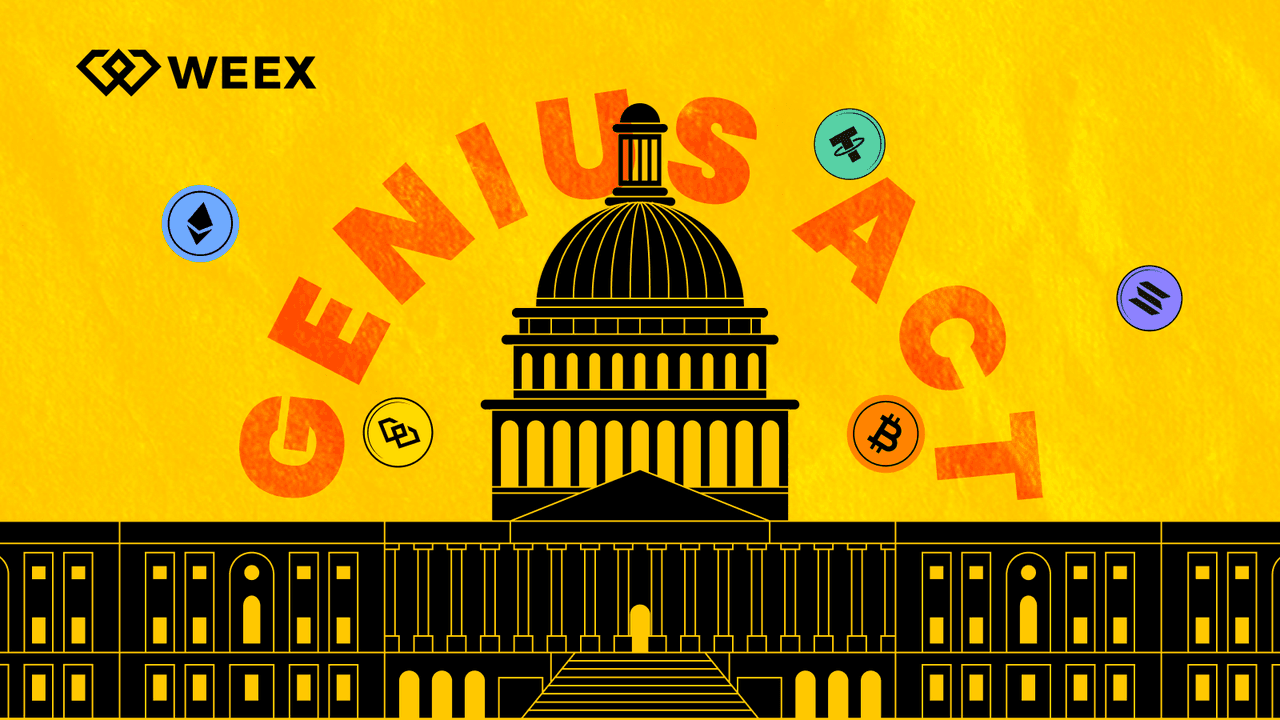
The U.S. GENIUS Act marks the end of blockchain market’s “Wild West” era, transforming dollar-backed digital assets from speculative experiments into regulated pillars of the financial system. By replacing ambiguity with a bank-grade framework, Washington isn’t just setting rules — it is laying the foundation for the next wave of institutional adoption.
Core Provisions
The Act focuses on four key areas: issuance, backing, monitoring, and regulation.
- Issuance by regulated entities only: Only approved banks, licensed non-bank issuers, and qualified state-level institutions are allowed to issue payment stablecoins in the U.S.
- Full reserve backing: Stablecoins must be backed 1:1 by highly liquid, low-risk assets such as cash, insured deposits, or short-term U.S. Treasuries. Riskier assets and rehypothecation are strictly limited.
- Transparency and accountability: Issuers must regularly disclose supply and reserve information, undergo audits, and maintain executive responsibility.
- Legal classification: Payment stablecoins are treated as payment instruments, not securities, placing oversight under banking regulators and ending long-standing jurisdictional uncertainty.
Together, these provisions create a clear, bank-style framework without requiring stablecoin issuers to become full banks.
Positive Impacts on Crypto Markets
The Act catalyzes institutional growth by formalizing stablecoins as core financial infrastructure:
Institutional De-risking: Standardized licensing replaces legal ambiguity, enabling corporations and TradFi to integrate digital assets with operational confidence.
Systemic Trust: Mandatory 1:1 reserves and audits minimize de-pegging risks, while non-security classification provides long-term regulatory certainty.
Utility Expansion: Beyond exchange liquidity, clear rules unlock high-value use cases like B2B cross-border settlements and automated treasury management.
Dollar Primacy: Private-sector innovation extends USD liquidity globally, reinforcing the dollar as the native on-chain settlement currency.
Potential Risks and Structural Side Effects
Concentration Risk: Strict compliance creates high entry barriers, concentrating the market among a few dominant, systemically important players.
Deposit Erosion: Stablecoins compete with traditional banking for settlement, potentially straining bank liquidity during market volatility.
Innovation Stagnation: Narrowly defined reserve and activity rules may limit the evolution of innovative and yield-optimized digital assets.
Redemption Volatility: Rapid, large-scale exits can cause liquidity mismatches, disrupting the broader trading and DeFi ecosystems.
Key Considerations for Investors
As stablecoins become more regulated, investors need to rethink how they assess risk.
- Structure beats brand: Regulatory approval, reserve quality, transparency, governance, and redemption matter more than brand recognition or market capitalization.
- Liquidity matters more than price: The real impact of stablecoin regulation shows in liquidity, on-chain payments, settlement-focused networks, and compliant DeFi infrastructure, rather than short-term price swings.
- Policy is a moving variable: Regulation reduces uncertainty but doesn’t eliminate risk. Future rules like tighter capital requirements or renewed discussions around CBDCs can reshape the competitive landscape.
- Know the rules to trade smarter: Understanding stablecoin rules is essential for informed decisions, as they increasingly influence liquidity, market structure, and long-term viability.
Conclusion
The U.S. Stablecoin Act turns stablecoins into regulated financial infrastructure. It boosts trust, enables institutional adoption, and expands real-world use, while concentrating the market and introducing new risks. Investors should focus on reserve quality, transparency, and governance — stablecoins are no longer just trading tools, but key pillars of the digital financial system.
About WEEX
Founded in 2018, WEEX has developed into a global crypto exchange with over 6.2 million users across more than 130 countries. The platform emphasizes security, liquidity, and usability, providing over 1,200 trading pairs and offering up to 400x leverage in crypto futures trading. In addition to traditional spot and derivatives markets, WEEX is expanding rapidly in the AI era — delivering real-time AI news, empowering users with AI trading tools, and exploring innovative trade-to-earn models that make intelligent trading more accessible to everyone. Its 1,000 BTC Protection Fund further strengthens asset safety and transparency, while features such as copy trading and advanced trading tools allow users to follow professional traders and experience a more efficient, intelligent trading journey.
You may also like

WEEX Futures Debuts OFC USDT for OneFootball Credits (OFC)
WEEX Exchange is thrilled to introduce the OFC USDT perpetual contract, marking the initial listing of OneFootball Credits…

WEEX Futures Debuts BOB USDT for Build on Bitcoin
WEEX Exchange is thrilled to introduce the BOB USDT perpetual contract, expanding trading options for crypto enthusiasts. This…

Introducing Zcash ($ZEC): Protocol Updates and Price Prediction
Zcash is a decentralized cryptocurrency focused on privacy and anonymity. $ZEC has hit everyone’s attention recently.

What is SMC Factory (SMCF) Coin: Everything You Need to Know
SMC Factory (SMCF) is a meme coin inspired by the concept of factory-style production of meme tokens, originating…

Oil Tokenization: Models, Risks, and Real Market Use Cases in 2026
Oil Tokenization is turning crude oil exposure into digital assets, but in 2026 the real divide is between credible, auditable structures and speculative oil-linked tokens with weak backing.

Tether Gold (XAUT): What It Is, How It Works, and Key Risks
What is Tether Gold (XAUT)? Learn how this tokenized gold works on Ethereum, Tron, and BNB Chain, plus fees, reserves, risks, and XAUT vs PAXG.

How to Buy Russian Oil Asset Reserve (ROAR) Crypto: 2026 Step-by-Step Guide
Learn how to buy Russian Oil Asset Reserve (ROAR) crypto on Solana DEXs. Step-by-step guide with contract address, wallet setup, risks, and safety tips.

What is Russian Oil Asset Reserve (ROAR): Is ROAR Crypto Legitimate or a Scam?
What is Russian Oil Asset Reserve (ROAR) crypto? We analyze the Solana meme coin tied to oil narratives, tokenomics, risks, and whether it has real backing.
Russian Oil Asset Reserve (ROAR): Is ROAR Crypto a Hype?
What is Russian Oil Asset Reserve (ROAR) crypto? We analyze the Solana meme coin tied to oil narratives, tokenomics, risks, and whether it has real backing.

What is イロハ (IROHA) Coin: Everything You Need to Know
イロハ (IROHA) is a community-driven meme token on the Solana blockchain, inspired by cultural themes and aiming to…

What is Build N Build (共建) Coin? Everything You Need to Know
Build N Build (共建) Coin represents a community-driven token on the Binance Smart Chain, inspired by a tweet…

What is iShares MSCI India (INDAON) Coin
iShares MSCI India (INDAON) is a tokenized version of the iShares MSCI India ETF, created by Ondo Finance…
What is iShares MSCI EAFE Tokenized ETF (Ondo) (EFAON) Coin
iShares MSCI EAFE Tokenized ETF (Ondo) (EFAON) Introduction iShares MSCI EAFE Tokenized ETF (Ondo) (EFAON) is a tokenized…

WEEX OFC Airdrop Guide: Claim Your New User Bonus and OFC Rewards
Discover how to participate in the WEEX OFC airdrop event from April 9 to April 15, 2026. This guide covers how to maximize your new user bonus, claim free rewards through spot trade tasks, and optimize your trading fees on one of the fastest-growing crypto exchanges.
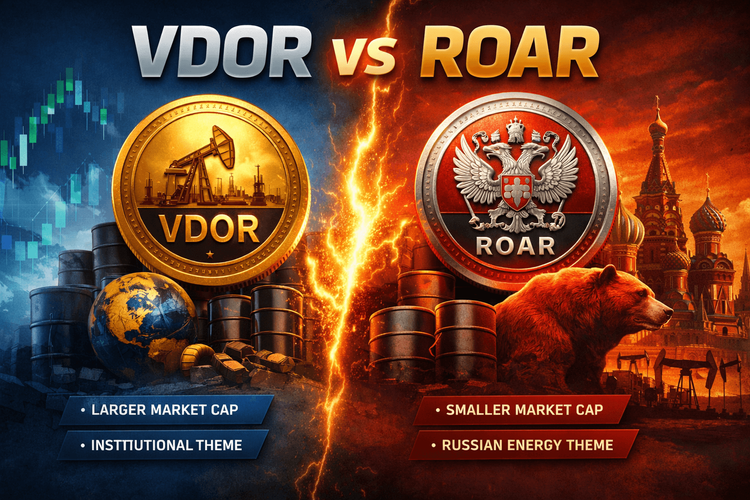
VDOR vs ROAR: Which Oil-Theme Crypto Token Looks Stronger in 2026?
VDOR vs ROAR explained with the latest market data, contract addresses, legitimacy checks, token differences, and which oil-theme crypto looks stronger in 2026.

Is Russian Oil Asset Reserve (ROAR) Legitimate or a Scam?
Is Russian Oil Asset Reserve (ROAR) legitimate? Read the latest ROAR legitimacy check, official contract address, market data, risks, and expert verdict.
What is OneFootball Credits (OFC) Coin
OneFootball Credits (OFC) is a utility token designed to fuel a global fan economy in the football world,…
Where Can I Buy ROAR Crypto? Step-by-Step Guide and Insights
ROAR crypto, the token behind the Russian Oil Asset Reserve project, has caught attention amid shifting global energy…
WEEX Futures Debuts OFC USDT for OneFootball Credits (OFC)
WEEX Exchange is thrilled to introduce the OFC USDT perpetual contract, marking the initial listing of OneFootball Credits…
WEEX Futures Debuts BOB USDT for Build on Bitcoin
WEEX Exchange is thrilled to introduce the BOB USDT perpetual contract, expanding trading options for crypto enthusiasts. This…
Introducing Zcash ($ZEC): Protocol Updates and Price Prediction
Zcash is a decentralized cryptocurrency focused on privacy and anonymity. $ZEC has hit everyone’s attention recently.
What is SMC Factory (SMCF) Coin: Everything You Need to Know
SMC Factory (SMCF) is a meme coin inspired by the concept of factory-style production of meme tokens, originating…
Oil Tokenization: Models, Risks, and Real Market Use Cases in 2026
Oil Tokenization is turning crude oil exposure into digital assets, but in 2026 the real divide is between credible, auditable structures and speculative oil-linked tokens with weak backing.
Tether Gold (XAUT): What It Is, How It Works, and Key Risks
What is Tether Gold (XAUT)? Learn how this tokenized gold works on Ethereum, Tron, and BNB Chain, plus fees, reserves, risks, and XAUT vs PAXG.


 App
App